

About Us
History of Bardia Jahan
Bardia Jahan Pouya Holding began its operations in 2007 with the goal of supplying and distributing essential consumer goods to households across Iran.
Today, thanks to superior product quality, competitive pricing, a unique and skilled workforce, the trust and support of valued customers, and by the grace of God, the holding has experienced rapid growth in the country’s food market. It is now recognized as one of the leading importers and exporters in the food industry, offering over 50 essential products.
1393
First Profession
1395
BinaZir Establishment
1398
First Exclusive Version Launch
1402
Blog User Interface Updates
Learn More About Us
Bardia Jahan Pouya Holding began its operations in 2007 with the aim of supplying and distributing essential consumer goods to Iranian households nationwide. Thanks to superior product quality, competitive pricing, a unique workforce, the trust and support of valued customers, and by the grace of God, the holding has achieved rapid growth in Iran’s food market. Today, with over 50 essential products, it is recognized as one of the leading importers and exporters in the country.
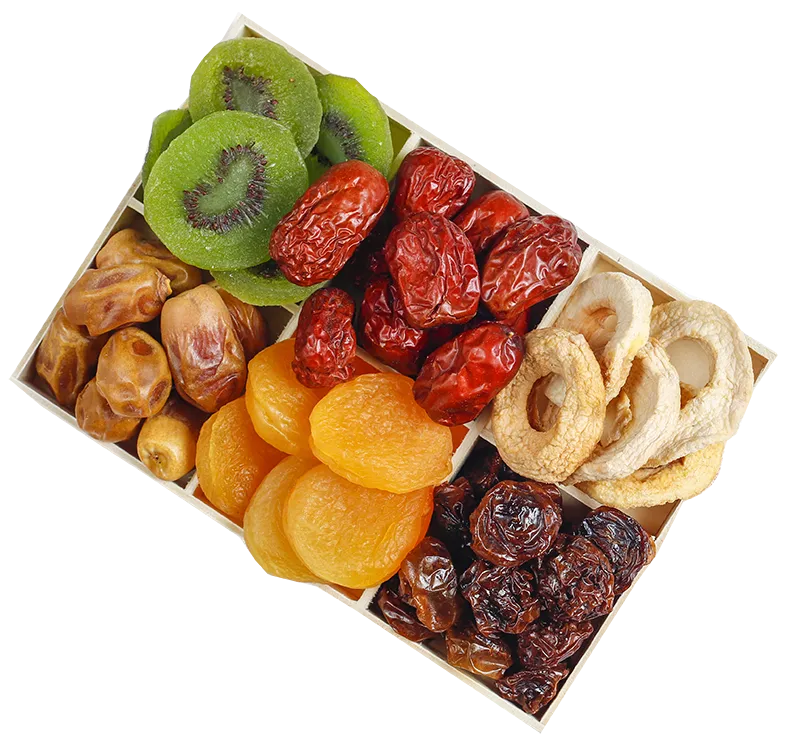
The holding owns the brands Sasken and BinaZir, sourcing top-quality agricultural raw materials—including legumes, dried fruits, grains, spices, and oilseeds—from over 20 countries and distributing them across Iran. At Bardia Jahan Pouya, we believe that profitability in the food market is only possible when the highest quality reaches consumers at competitive prices. We continuously strive to uphold these values through knowledge, honesty, dedication, and our exceptional human capital.
1320 SH (1941–42 CE)
Babakhani Trading House was established by Haj Ahmad Babakhani in Kermanshah to trade legumes.
1930s SH (1951–60 CE)
For over a decade, Babakhani Trading focused on buying and selling Kermanshah chickpeas domestically, sourcing the best quality from top local farmers and distributing processed products across Iran.
1940s SH (1961–70 CE)
With Kermanshah producing over 300,000 tons of chickpeas annually, about 150,000 tons were exported to countries such as the UAE, Afghanistan, Pakistan, India, Iraq, and even distant Asian markets like Malaysia and Indonesia. Babakhani Trading became a recognized exporter of premium chickpeas.
1940s SH
The company earned repeated recognition as a top provincial exporter, delivering high-quality chickpeas internationally.
1380s SH (2001–10 CE)
Babakhani Trading established Bardia Jahan Pouya Co., Ltd. in 2007 to formalize its business as a legal entity and began importing essential goods from around the world.
1390s SH (2011–20 CE)
-
Established the first sorting, cleaning, and packaging factory.
-
Obtained an industrial operation license from the Ministry of Agriculture for an annual capacity of 45,500 tons.
1397 SH (2018 CE)
Registered the BinaZir trademark for legumes, dried fruits, grains, spices, and oilseeds to import premium raw agricultural products and distribute them across Iran.
1398 SH (2019 CE)
Registered the Sasken trademark for food products, bringing premium goods to the market under this brand.
1400 SH (2021 CE)
Established Caspian Tejarat Zagros Co. to manage exports of dried fruits and imports of spices alongside Bardia Jahan Pouya.
1402 SH (2023 CE)
Founded Golden Creast Grain LLC in the UAE to expand presence in the Persian Gulf markets.
1403 SH (2024 CE)
Bardia Jahan Pouya imported state-of-the-art machinery from China, Japan, and Germany, capable of processing 50 tons per hour, fully managed by artificial intelligence.
The production line includes color sorters from Meyer, Juliet, and Bühler, with some custom-built specifically for the company—unprecedented in Iran. These machines can sort, process, and package over 30 types of raw agricultural products, including legumes (chickpeas, lentils, beans, mung beans, fava beans, etc.), dried fruits (peanuts, sunflower seeds, sesame), grains (rice, etc.), and oilseeds, all at a capacity of 50 tons per hour. Most components leverage cutting-edge technology and AI, ensuring higher purity after each processing cycle.